The publishing sector in Serbia: Interview with Bora Babić, Founder and Editor-in-Chief of Akademska knjiga
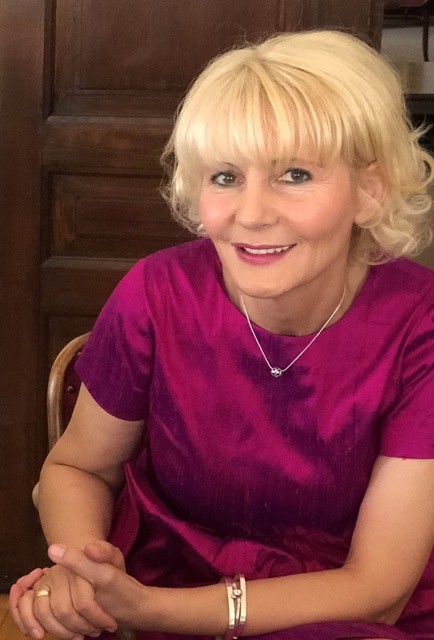 Just before the national elections in Serbia, the Serbia Window takes a look at the publishing sector. Akademie-member and writer Cécile Wajsbrot took the time to interview Bora Babić, Founder and Editor-in-Chief of Akademska knjiga, about her career path and the challenges she had to overcome in past years.
Cécile Wajsbrot: Twenty years ago, you founded Akademska Knjiga, a publishing house settled in Novi Sad and dedicated to humanities and literature, essays and novels, offering a vast panorama of languages and cultures from present and past times. Joseph Brodski, Thomas Piketty, Judith Butler, Alexander Tisma, Peter Estherhazy, Luce Irigaray, Michel Foucault, Ernesto Sabato, Sigmund Freud, Elsabeth de Fontenay and many others, such are some of the impressive authors appearing in your catalogue. How did you come to create a publishing house? Was it an idea you had been maturing for a long time or was it more of an impulse? Were you buoyed by the atmosphere at the time or was it on the contrary a way of reacting, of swimming against the tide?
“I have come to feel that the publishing profession carries a kind of “virus”: once infected, you never quite recover.”
Bora Babić: I was fortunate to begin my career at a publishing house that formed part of one of Serbia’s major national cultural institutions, Matica srpska. Founded in Pest two hundred years ago, Matica srpska moved to Novi Sad in 1864, yet has never ceased publishing books. Alongside its publishing department, the institution is home to a national library and an art gallery. Among the editors who shaped the history of its publishing house was the writer Aleksandar Tišma. By the time I joined, the publishing house had an outstanding editorial team, headed by the writer and translator Judita Šalgo. Exceptionally well educated and possessing an extraordinarily broad range of cultural interests, Judita had much to offer. From my very first day, I eagerly absorbed her stories and insights. Although my time at Matica srpska was relatively brief, it gave me a solid grounding in the fundamental principles of manuscript evaluation and book design. The graphic designer would often remind me: “We adopted the rules of book design from the Germans, because printing originated with them.”
The experience I gained at this traditional institution proved invaluable throughout my professional life. Over time, I have come to feel that the publishing profession carries a kind of “virus”: once infected, you never quite recover. Whoever enters the constellation of books rarely finds it easy to leave. Driven by a love of learning and a taste for challenges, I soon moved to a private publishing house, Izdavačka knjižarnica Zorana Stojanovića. At the time, it was flourishing, publishing primarily outstanding works by leading international authors in the humanities and social sciences.
Meanwhile, an idea was gradually taking shape: to establish a publishing house of my own, where I could define the editorial vision and choose the authors and books I wanted to bring to readers. Bestseller lists would never be my guiding principle. Instead, the aim was to publish books of lasting value, books that would appeal to intellectually curious readers throughout the post-Yugoslav countries. That mission took concrete form in 2006, when I founded Akademska knjiga. This is why the authors you mentioned in your question feature in our catalogue.
“Looking back, I believe that the first decade of the new millennium was a particularly dynamic period for Serbian culture”
Following the fall of Slobodan Milošević in 2000, Serbia experienced a wave of democratic optimism. With sanctions lifted, it seemed as though every door to Europe had opened to us. The assassination of Zoran Đinđić, however, brought many social and political processes to a standstill or considerably slowed their progress. Looking back, I believe that the first decade of the new millennium was a particularly dynamic period for Serbian culture, thanks to individuals who achieved remarkable things in music composition, directing, film production, acting and publishing. The alternative cultural scene also flourished. Europe, and the European Union in particular, was firmly in our sights.
By then, I felt ready to establish a publishing house that would follow and publish the work of contemporary thinkers and theorists, bring significant contemporary literature to readers and foster critical thinking. My principal role models were the once-flourishing Yugoslav publishing houses, such as Nolit, BIGZ and Prosveta, which had been forced to close during the wars and the turbulent transition that followed. At the same time, I looked to major European publishing houses with long and distinguished traditions, notably Gallimard and Suhrkamp.
Among the first authors whose work I published were Slavoj Žižek, Charles Taylor, Rémi Brague, Martin Heidegger, Jan Patočka, Ulrich Beck, Alain Badiou, Jürgen Habermas, Joseph Brodsky, Aleksandar Tišma and Péter Esterházy, among others.
“Serbia has faced a deepening political crisis that has made it extremely challenging to keep the business going.”
Yes, the tide carried me forward all the way. Throughout this journey, I felt that I was doing something meaningful and worthwhile, not only for the culture of my own country but also for readers across the post-Yugoslav region who understand the language in which our books are published. Over the years, I have received tremendous support from colleagues, authors, translators and the wider cultural community.
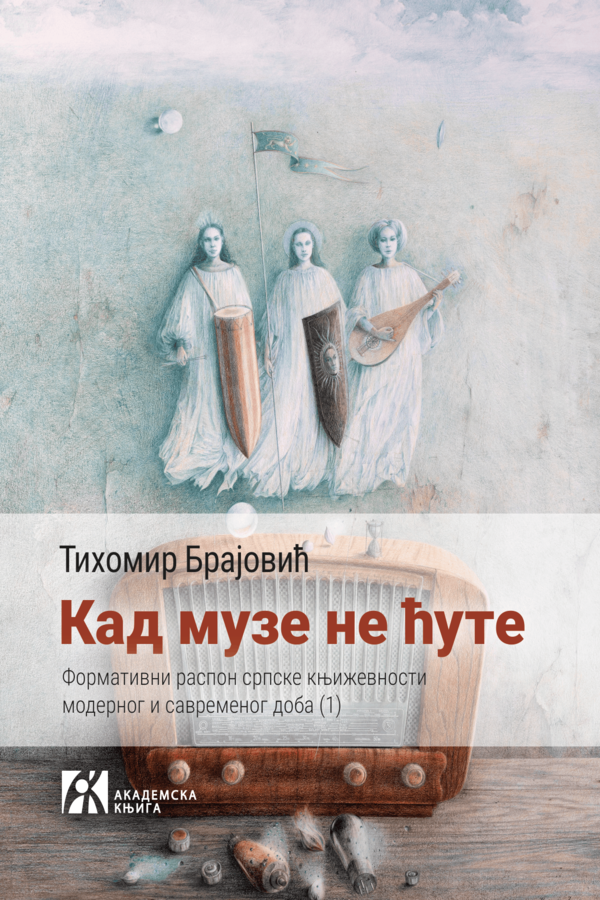
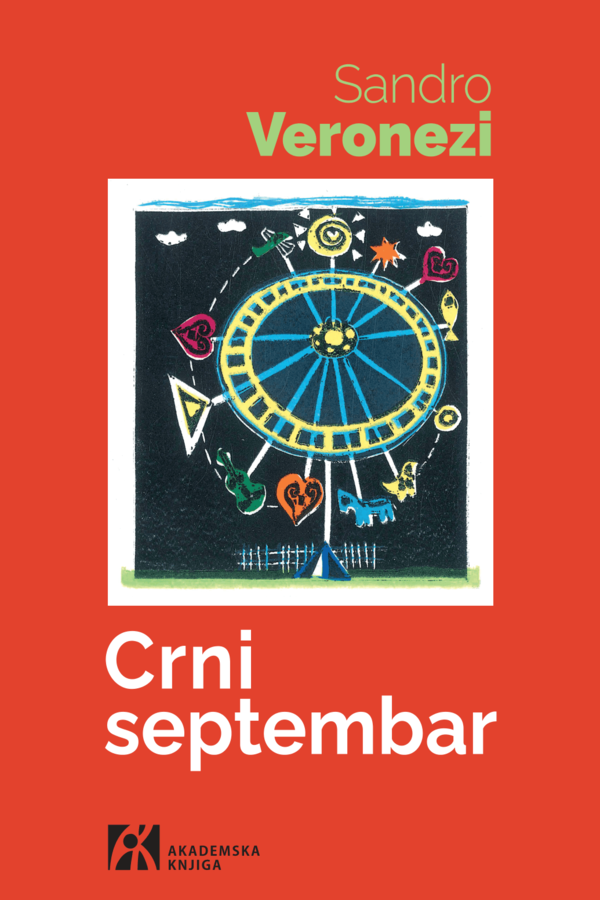
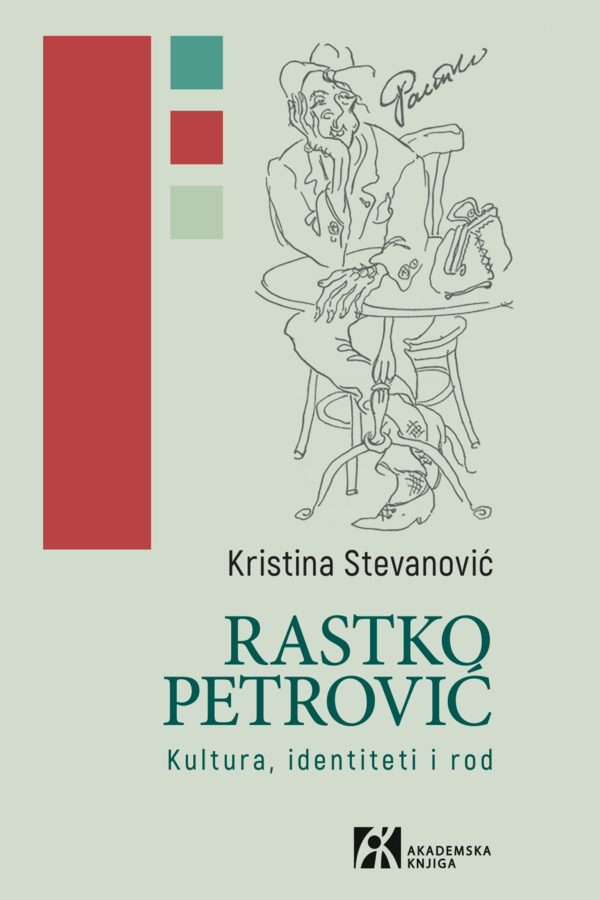
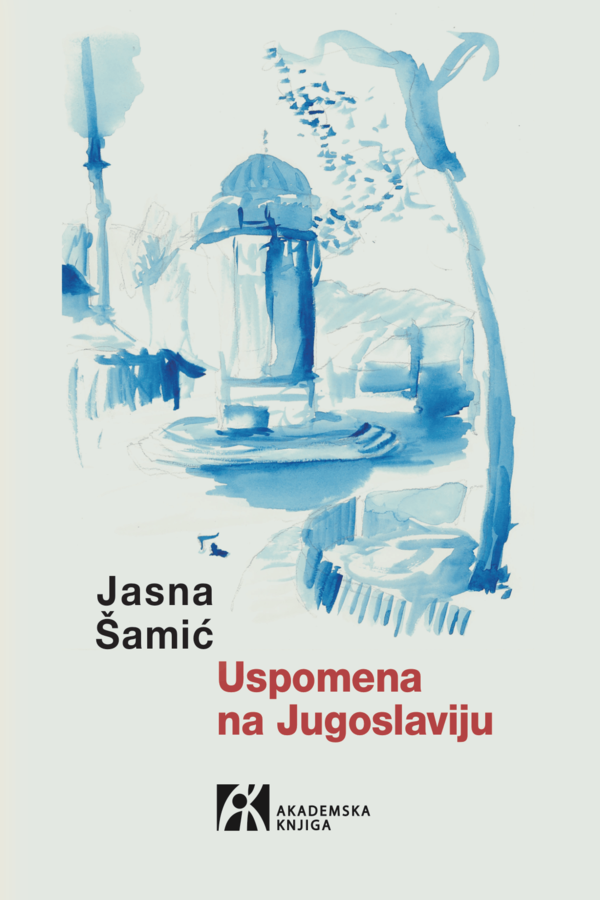
Akademska knjiga publishes around seventy titles a year. Unfortunately, the very books we publish, with their emphasis on critical thinking, currently leave us without any state support through public funding competitions. The past two years have been particularly difficult, as Serbia has faced a deepening political crisis that has made it extremely challenging to keep the business going. Despite these circumstances, neither my faith in what we do nor my hope for a more promising future has wavered.