Bora Babić, Founder and Editor-in-Chief Akademska knjiga: Timeless & Eternal Tomes
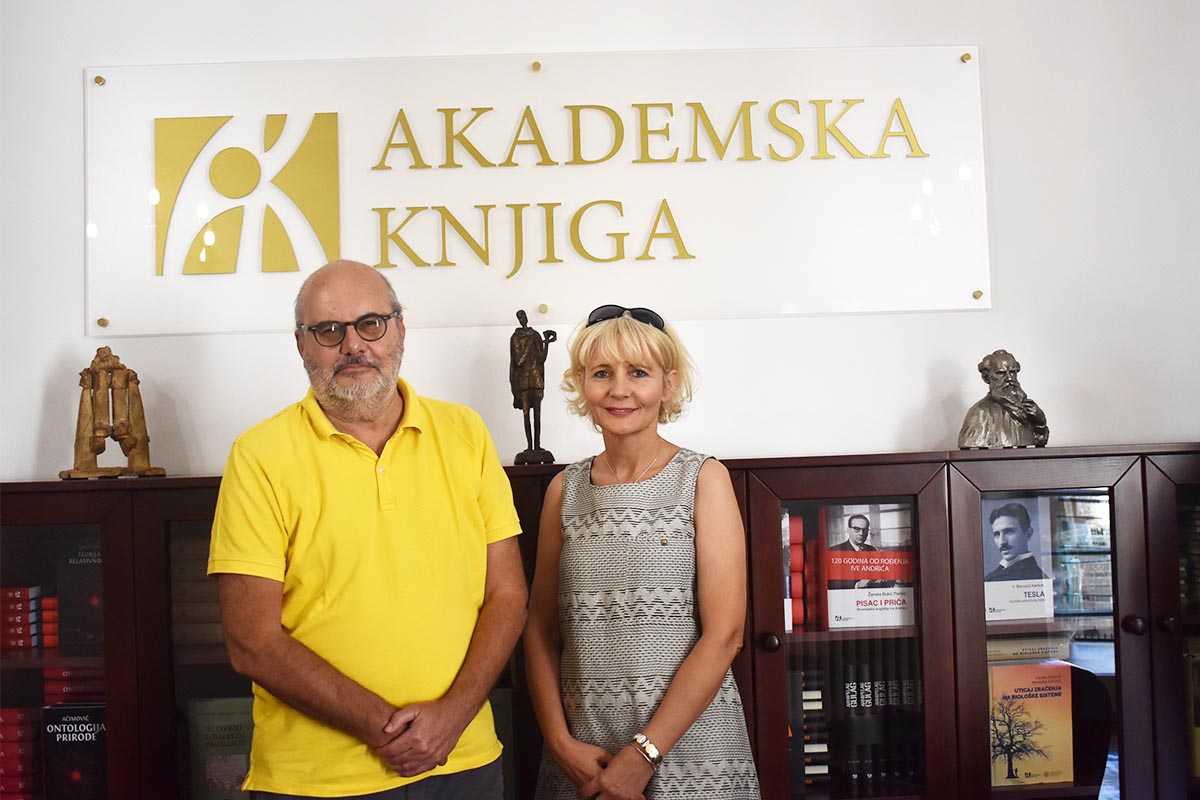 Here Bora Babić, chief editor of publishing house Akademska Knjiga (Academic Book), discusses publishing as cultural responsibility, the writers who’ve marked her life, faith in serious literature and a world in which books remain as the last haven of free thought
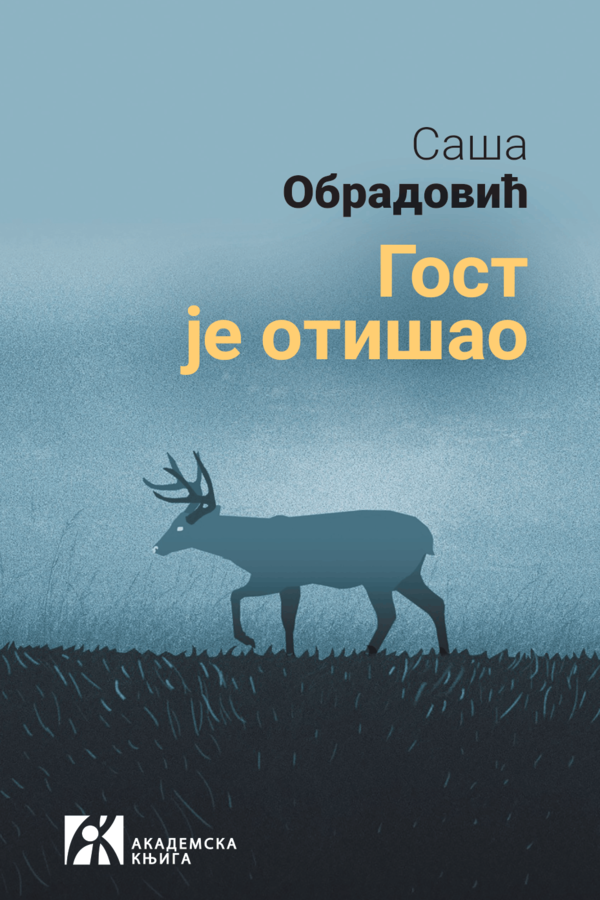
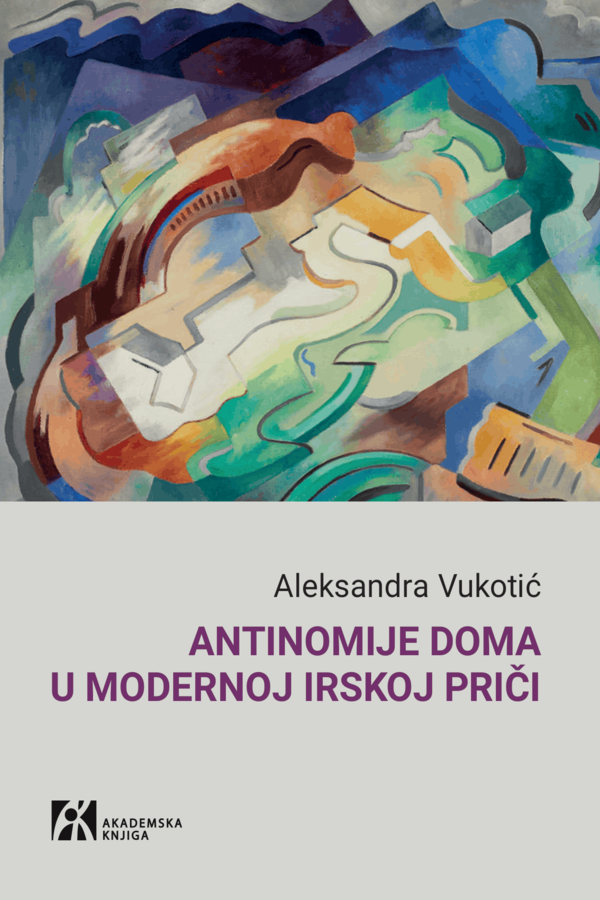
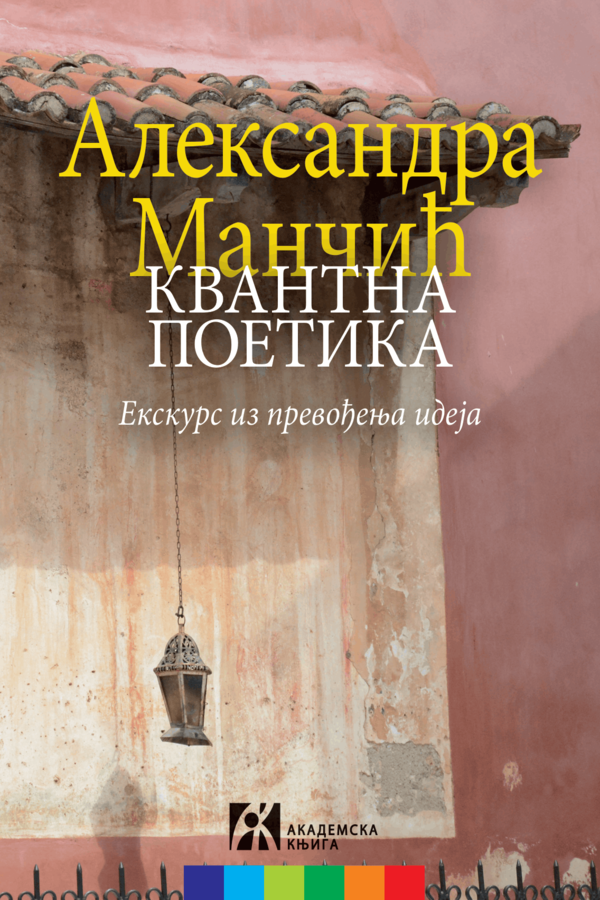
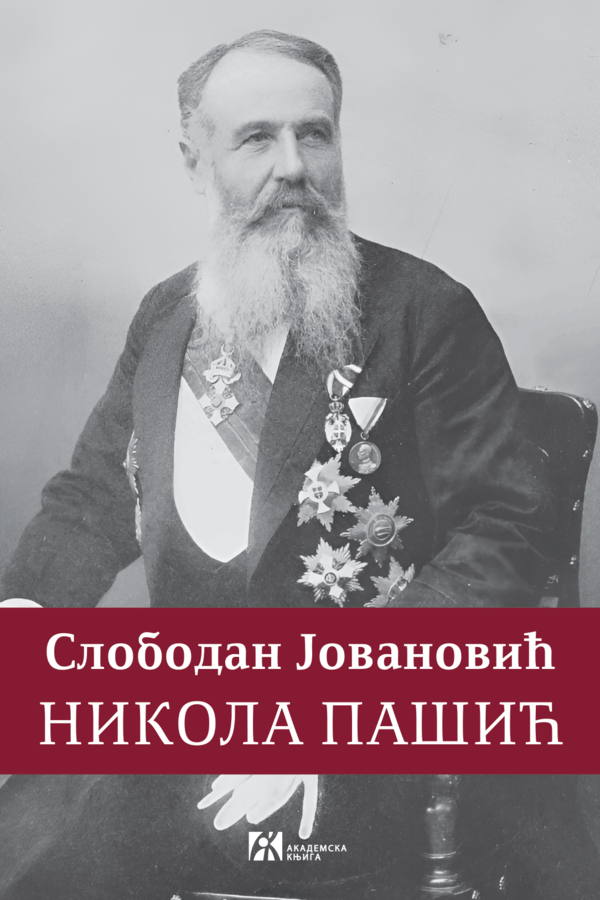
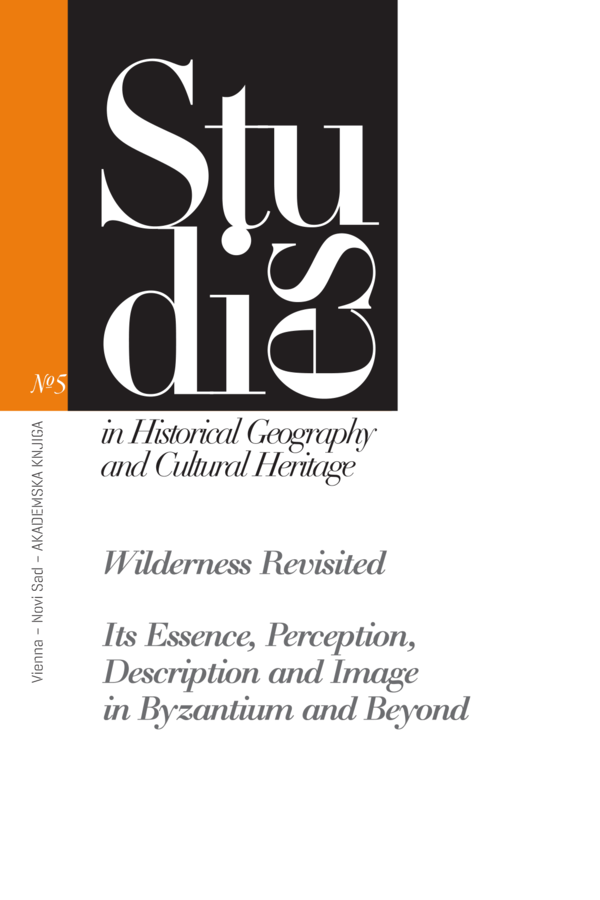
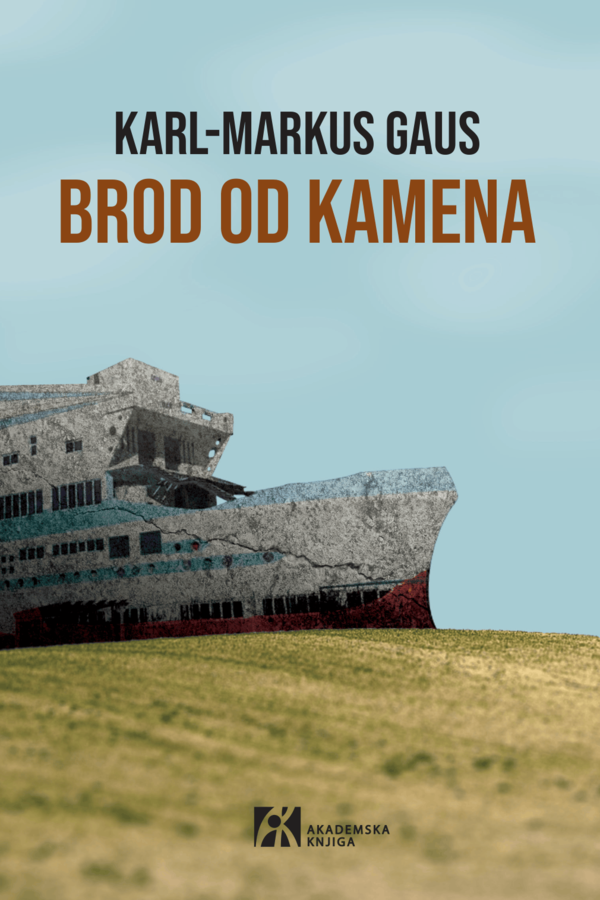
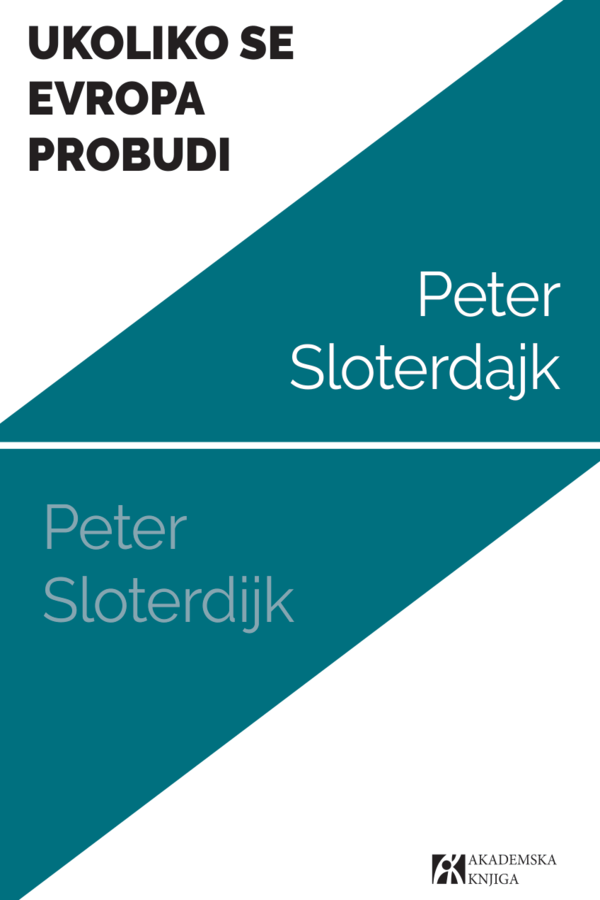
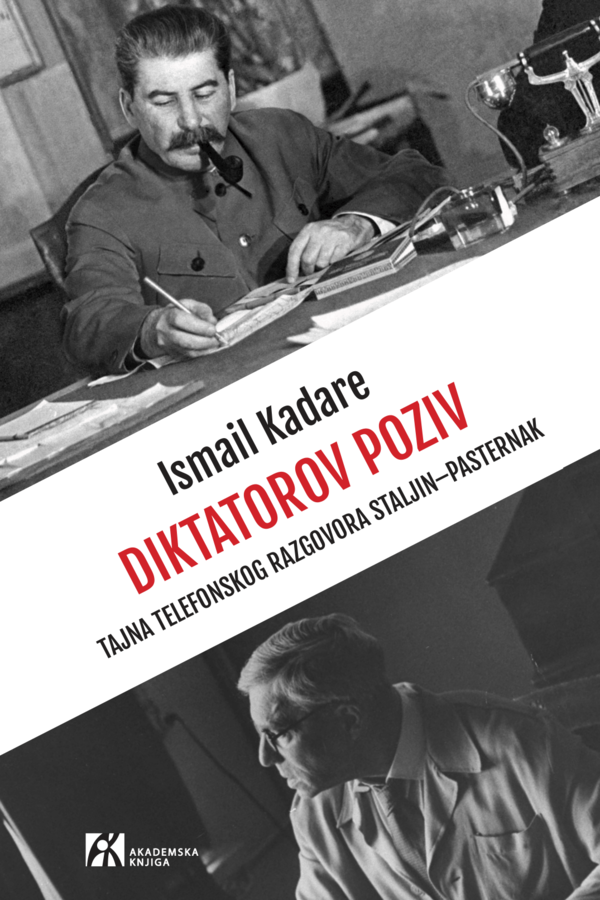
In these times of fast-paced content and market logic that often stifles cultural criteria, Bora Babić has remained true to the notion that a book isn’t merely a commodity, but an enduring value. Over the course of two decades of operations, Akademska Knjiga has grown to become one of the region’s most respected publishing houses, recognisable for its philosophy, social theory, literature and great works of world science.
Her interlocutors and friends have included the most important writers and thinkers of our time – from Slavoj Žižek and Daša Drndić to László Végel, while the catalogue of Akademska Knjiga has been shaped by authors like Thomas Piketty, Mark Mazower, Yasmina Reza and Guido Tonelli.
Discreet in public, and with an almost ascetic devotion to her work, Babić today represents the rare figure of a publisher who still believes in the “long life of the book” and in the idea that culture must have seriousness, continuity and responsibility.
You come across in public as being very discreet and almost ascetically devoted to your work. Did you make a conscious decision to remain distant from the public scene?
— With a relatively small number of employees, Akademska Knjiga’s output is impressive, such that in recent years we’ve been publishing over 70 titles annually. And despite the fact that working on books is my great passion, that work requires a wholehearted presence and a huge commitment.
My working day lasts for at least 12 hours. The public scene brings popularity, but it consumes a lot of time and has never attracted me. I’m only interested in the concrete result. Every new title brings me joy.
You’re often described as an editor who doesn’t treat a book as a product, but rather as a cultural responsibility. Is it tougher to maintain such integrity today than it was 20 years ago?
— The numerous works we’ve published over the past two decades belong at the very pinnacle of world spirituality and science. The range of works included in Akademska Knjiga’s catalogue extends from ancient Greek historian and philosopher Xenophon to works written in the third decade of the 21st century, such as books by Mark Mazower, Thomas Piketty, Guido Tonelli, Branko Milanović, Tibor Várady, Mathias Enard and Yasmina Reza.
When great scientists and writers of the world entrust us with translating and publishing their works in the Serbian language, we simultaneously take on huge responsibility towards those authors. Their books must be translated excellently, designed beautifully and published with minimal errors.
I’m sure that any publisher who approaches books in such a way must consider the book as a cultural asset.
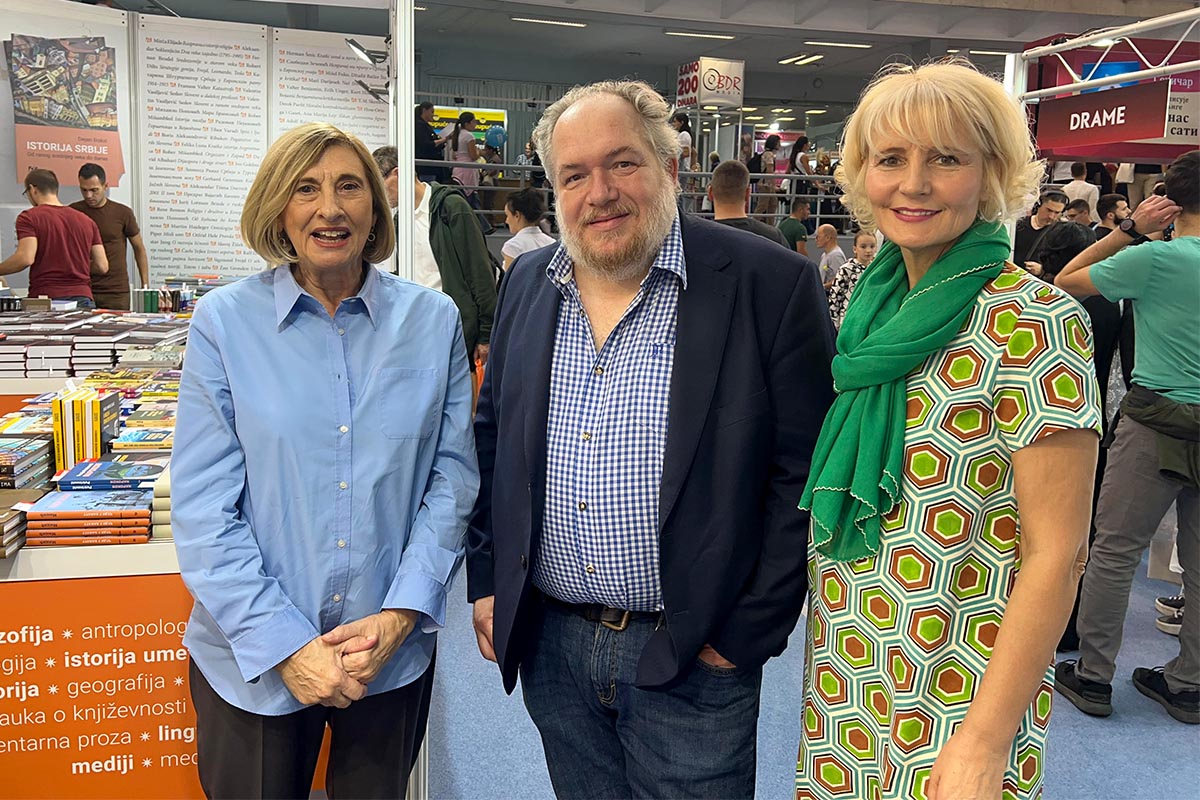
You established Akademska Knjiga at a time when the market had already begun favouring commercial titles strongly. How courageous – or perhaps stubborn – a move was it at that time to opt to publish books that seek serious readers?
— Akademska Knjiga was established just three years after the assassination of Zoran Đinđić, when the traumas of the ‘90s were still fresh in the minds of citizens. The then political leadership was striving to build state institutions on democratic foundations, while citizens’ living standards were increasingly slowly.
The commercial concept of publishing never appealed to me. My wish was to establish a respectable publishing house that would publish books that educate, promote critical thinking, encourage the humanisation and pacification of society; books that build an intellectual readership.
My role models were NOLIT, Oxford University Press, Cambridge University Press, Gallimard and Suhrkamp.
I knew that this work wasn’t easy, but I was led by a strong desire to do something noble for the culture of my country, and for the shared culture of the post-Yugoslav area.
You’ve collaborated with some of the most important authors of this region and the world – from Slavoj Žižek to Daša Drndić and László Végel. What did those encounters teach you about writers, and about yourself?
— My personal encounters with authors have often developed into friendships. It seems to me that I’ve managed to build trust with everyone. And that trust was mutual, which is the most important thing to realise any business successfully.
They recognised that I have only one goal: to publish high-quality books. It was clear to everyone that it’s impossible to make money with books in the domain of theory on a small language market. Those who visited our editorial offices were pleasantly surprised by Akademska Knjiga’s publishing profile and wanted to help us.
Some waived their royalty fees, like Slavoj Žižek, while others helped us to secure donations for individual projects.
I only met Daša Drndić at the Belgrade Fair in October 2017. Our meeting was love at first sight. She had tremendous charisma and a strong will to live despite fighting illness.
Never before or since have I met such a brave, just and empathic person. We corresponded constantly from our meeting in Belgrade until her passing on 5th June 2018. I said my final farewell to Daša Drndić at Zagreb’s Mirogoj Cemetery, to the sounds of Internacionale.
I’ve been collaborating with László Végel for more than a decade, and to date we’ve published five of his books, and we’ll soon publish the book that he dedicated to the great Hungarian author Sándor Márai. Végel is a wonderful writer, a great intellectual and an uncompromising critic of social and political conditions. Novi Sad is an inexhaustible topic of our conversations.
Your professional biography extends from Matica Srpska and publishing house IKZS (Izdavačka knjižarnica Zorana Stojanovića) to Akademska Knjiga. To what extent did those institutions shape you as an editor?
— I was extremely fortunate to gain my first work experience at publishing company Matica Srpska, which inherited a long tradition of publishing books.
The Matica Srpska publishing programme was traditionally focused on national themes, though during those years its publishing enterprise was also open to writers with modern sensibility.
I have indelible memories of two outstanding women who represented pillars of the editorial department: writer Judita Šalgo, who then held the position of chief editor, and Mrs. Mirjana Jovanović, who managed the technical editorial office and proofreading service. Both were outstanding intellectuals.
Šalgo possessed very high editorial standards for artistic literature, while Jovanović would explain to me on a daily basis how the standards for the technical structuring and arranging of books had been adopted from German publishers and printers. Both of them accepted me warmly and were selfless in passing on their knowledge to me.
Unfortunately, Mrs Šalgo quickly fell ill and I decided to continue my professional career at IKZS, which had a great reputation at the time, and Serbia’s highest quality publishing programme in the social sciences and humanities.
Zoran Stojanović was a dedicated editor and employer. IKZS published major works in the fields of philosophy, sociology, linguistics, anthropology and others, and the editorial department gathered together our country’s best translators and proofreaders.
The IKZS publishing programme inspired me to make the editing and publishing of books not only my job, but also my life’s calling.
It is said by many that you are among the rare publishers who still believe in the “long life of the book”. How do you recognise a title with enduring value today?
— As long as civilisation exists, the book will endure. Human memory has already relocated to the digital world.
Apart from the fact that almost all of the planet’s intangible heritage is stored on huge servers, it also continues to be preserved on paper. Moreover, at least one hard paper copy of all electronic editions of books is preserved.
Electronic books are practical for quick searches, convenient for travelling and don’t take up living space in apartments, but paper editions remain irreplaceable to every dedicated reader.
Thanks to our cooperation with major publishers around the world, we are easily able to access information about the works of relevant authors. They regularly send us PDFs of literary and scientific works, as well as reviews of those works.
It isn’t difficult to recognise a title that has enduring value. The big problem is securing the financing required for translation and publication.
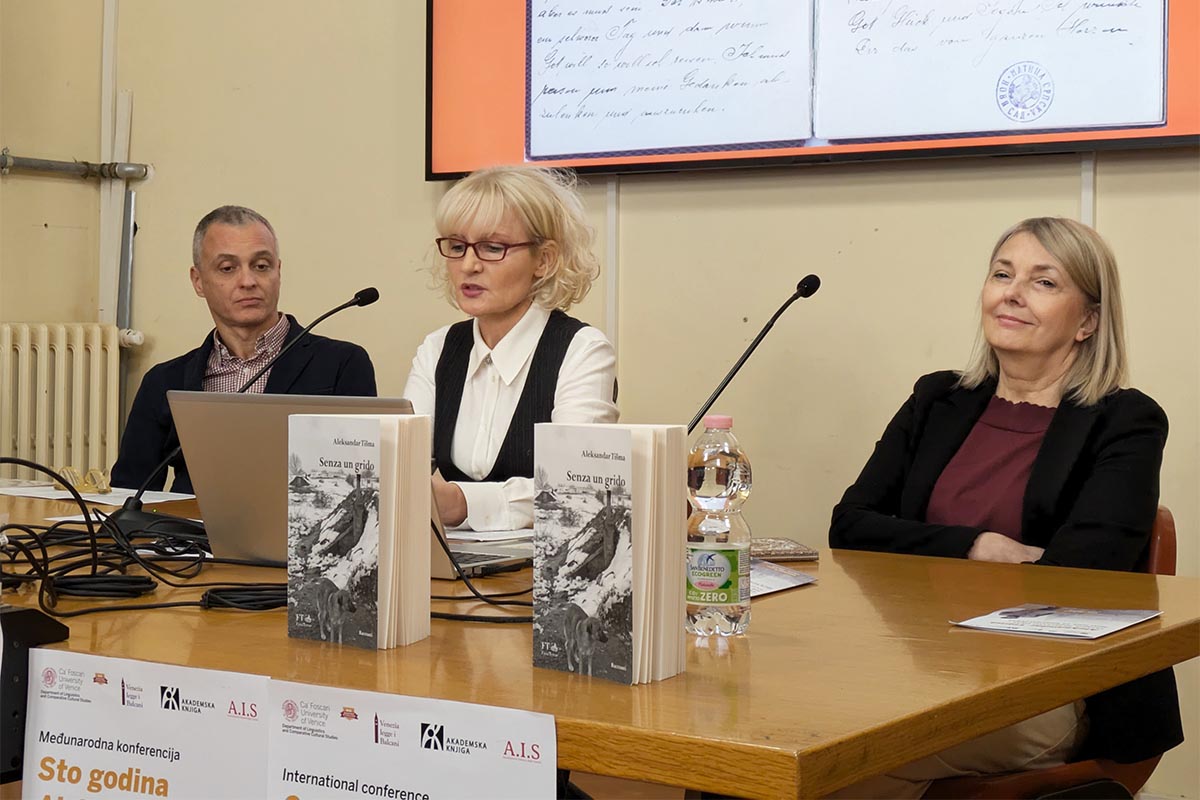
How difficult is it to maintain high standards in these times of accelerated production and superficial attention?
— It is increasingly difficult to maintain high standards in publishing, primarily due to the constant decline in the number of readers of books in the domain of theory, on the one hand, and the constant rise in production costs for books, on the other. This problem doesn’t only apply to Serbia, but the whole world.
The social sciences and humanities are in a major crisis at all universities, with declining numbers of students enrolling in these courses every year.
I often mention American philosopher Martha Nussbaum, who published a book after [2008’s] Great Recession in which she warned about what would happen to education. She warned that education for profit has become dominant around the world, witing: “Thirsty for national profit, nations, and their systems of education, are heedlessly discarding skills that are needed to keep democracies alive. If this trend continues, nations all over the world will soon be producing generations of useful machines, rather than complete citizens who can think for themselves, criticise tradition, and understand the significance of another person’s sufferings and achievements.”
And despite these gloomy predictions, we won’t abandon the high standards that we set 20 years ago.
France has decorated you with its Order of Arts and Literature for your contribution to spreading French culture and philosophy in Serbia. How did you establish your special connection with France’s intellectual tradition?
— At the beginning of my career in Novi Sad, I had the good fortune to meet an outstanding intellectual in the form of French lady Nicole Maritch-Haviland. She spent her best years in the shadow of her husband, professor Sreten Marić.
We became very close friends, despite our age difference of more than four decades. She lived 101 years.
All of our conversations were about French literature and art. Paris’s artistic and intellectual world gathered in the house of her mother, painter and costume designer Suzanne Lalique-Haviland.
Nicole was friendly with Pierre Emmanuel and Mircea Eliade, while she knew Picasso personally and her father, Paul Haviland, had had his portrait painted by Renoir when he was just a few years old.
She donated her family’s artistic legacy and archival materials to French museums. A special Nicole Marić-Haviland Fund is preserved at the Limoges Museum of Fine Arts.
My conversations with Nicole about the excellence of French culture encouraged me to dedicate an important part of my publishing works to the publication of French authors.
If you had to explain to today’s younger generations why serious literature and big ideas are important, what would you tell them?
— Education is a crucial process for every young person. Without education, they would turn into “tools” that are easily manipulated.
Reading good books elevates one spiritually, builds critical thinking, eases the acceptance of different forms of human experience and helps us develop a much better understanding of the world in which we live.
If they read constantly, they will be on the right track to becoming world citizens.
Izvor: Cord magazine